The Cost of Staying Quiet

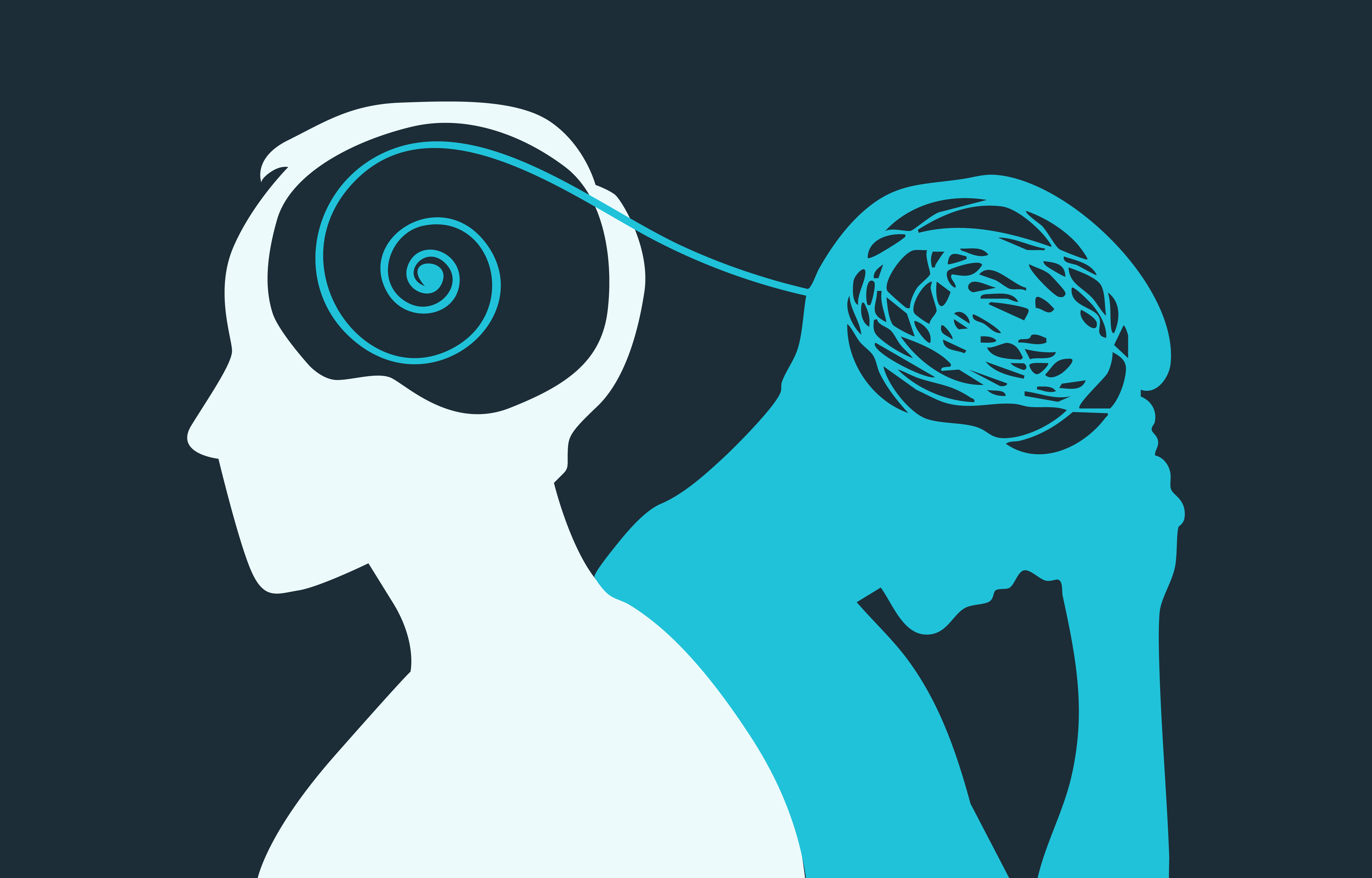
How psychological safety actually works at Linum Labs
Psychological safety is one of those phrases that gets thrown around a lot, usually right before a meeting where nobody actually says what they're thinking. Everyone nods, the loudest idea wins by default, and the real opinions show up later in private messages, or worse, not at all.
At Linum Labs, we take a more practical view. Psychological safety is not about comfort, constant agreement, or protecting feelings at the expense of reality. It's about creating an environment where people can think clearly, speak honestly, and challenge ideas without worrying about social fallout. Because in complex technical work, silence is expensive, it compounds mistakes, hides risk, and slows learning in ways that aren't obvious until it's too late.
What Psychological Safety Is (and Isn't)
Psychological safety is not everyone being nice all the time. It's not the absence of tension, and it's definitely not "good vibes only." If anything, real psychological safety often feels a little uncomfortable at first, especially in teams that care deeply about quality and outcomes.
It shows up when people ask questions that slow things down briefly, so the team doesn't move fast in the wrong direction. It's someone saying "I don't think this is right" even when the room goes quiet. It's admitting you messed something up before it becomes a bigger problem that everyone has to deal with later.
That level of honesty takes trust. And trust only exists when people feel safe enough to use it.

If This Feels Familiar, That's the Problem
If you've watched The Office, you've seen this meeting before. Everyone politely nods while Michael confidently drives the conversation straight into chaos. No one wants to be the person who speaks up, the meeting ends with apparent alignment, and somehow everything gets worse anyway.
That pattern isn't funny in real life.
Psychological safety is what stops that from happening. It's the difference between quiet agreement and actual alignment, between decisions that look good in the room and decisions that hold up once the work starts.
What Psychological Safety Looks Like Here
At Linum Labs, psychological safety isn't abstract. It shows up in a few very specific, very human ways.
You can disagree, and you're expected to
We don't hire people to agree with us. We hire people to think. Disagreement, when done respectfully, is a sign that people care about the work and the outcome. It sharpens ideas, exposes blind spots, and leads to better decisions overall.
If something doesn't make sense, you're encouraged to say so, regardless of title, experience, or who proposed the idea. Silence isn't neutrality. Silence is a decision to let something slide, and over time, that costs far more than a hard conversation ever will.
You can admit mistakes without burning trust
We work in fast-moving, complex environments where uncertainty is normal, and mistakes happen. What matters isn't whether mistakes occur, it's what happens next.
Owning a mistake early is seen as competence here, not weakness. It allows us to fix real problems, learn quickly, and improve systems instead of assigning blame. Psychological safety is what makes ownership possible without fear. People who hide mistakes slow teams down. People who surface them make teams better.
You can show up as a real person
People don't do their best work when they're performing a version of themselves they think is acceptable. We value openness and vulnerability because they make collaboration clearer, faster, and more effective.
Different backgrounds, personalities, and ways of thinking aren't just tolerated, they actively improve decision-making. Sometimes that means awkward conversations or moments of friction. That's fine. Awkward beats unclear every time.
Where Values Stop Being Words
Values only matter when they show up in everyday decisions, not when they live on a slide or on a Notion Page. At Linum Labs, this shows up through how we work, how we disagree, and how we hold ourselves accountable.
Innovation & Growth
You don't get innovation without risk, and you don't get growth without admitting you don't know everything. Psychological safety is what allows people to explore bold ideas, ask naive questions, and say "what if we tried this" without being shut down. Curiosity needs room to breathe, otherwise it quietly disappears.
Honesty & Integrity
High standards only work when people feel safe being honest. Ownership only works when people aren't afraid of consequences for speaking up. We care deeply about what we do, which means we welcome thoughtful pushback and expect people to take responsibility for their work. That's what allows high standards to be sustainable instead of exhausting.
Culture & People
We value diversity of thought because it leads to better outcomes, not just better optics. Being cool and personable doesn't mean avoiding hard conversations. It means having them directly, respectfully, and without ego. Culture isn't what we say we value, it's what people feel safe doing when it matters.
Why Clients Should Care About This
For clients, this isn't a culture perk. It has a direct impact on cost, risk, and delivery timelines.
Teams that feel safe challenging assumptions catch problems while they're still cheap to fix. Teams that can speak openly surface technical and strategic risks before they turn into delays. Teams that trust each other move faster because they don't waste time agreeing in meetings and undoing decisions later.
When you work with Linum Labs, you're not getting polite agreement or quiet compliance. You're getting people who will question unclear requirements, flag weak assumptions, and tell you when something won't scale, even if it's uncomfortable in the moment.
That honesty saves time, reduces rework, and prevents small issues from turning into expensive surprises halfway through a project.
That's the difference between shipping on time and spending weeks explaining why things slipped.

The Space to Say It
So next time you're in a meeting and you feel that familiar pause, the moment where something feels off but saying it might be awkward, say it.
Not because it's comfortable.
Not because it's polite.
But because it's how better decisions actually get made.
At Linum Labs, we work hard to create the kind of environment where speaking up doesn't cost you trust, credibility, or momentum. Where questioning ideas is part of the job, not a personal risk.
That's what psychological safety looks like in practice.
We don't optimize for comfort, we optimize for clarity.

.jpg)
.jpeg)
